The Definition of CSI and Digital Forensics
On this page, we'll see what CSI and digital forensics are all about, how they help us understand what happened, and why they're so important in today's world.
What is CSI?
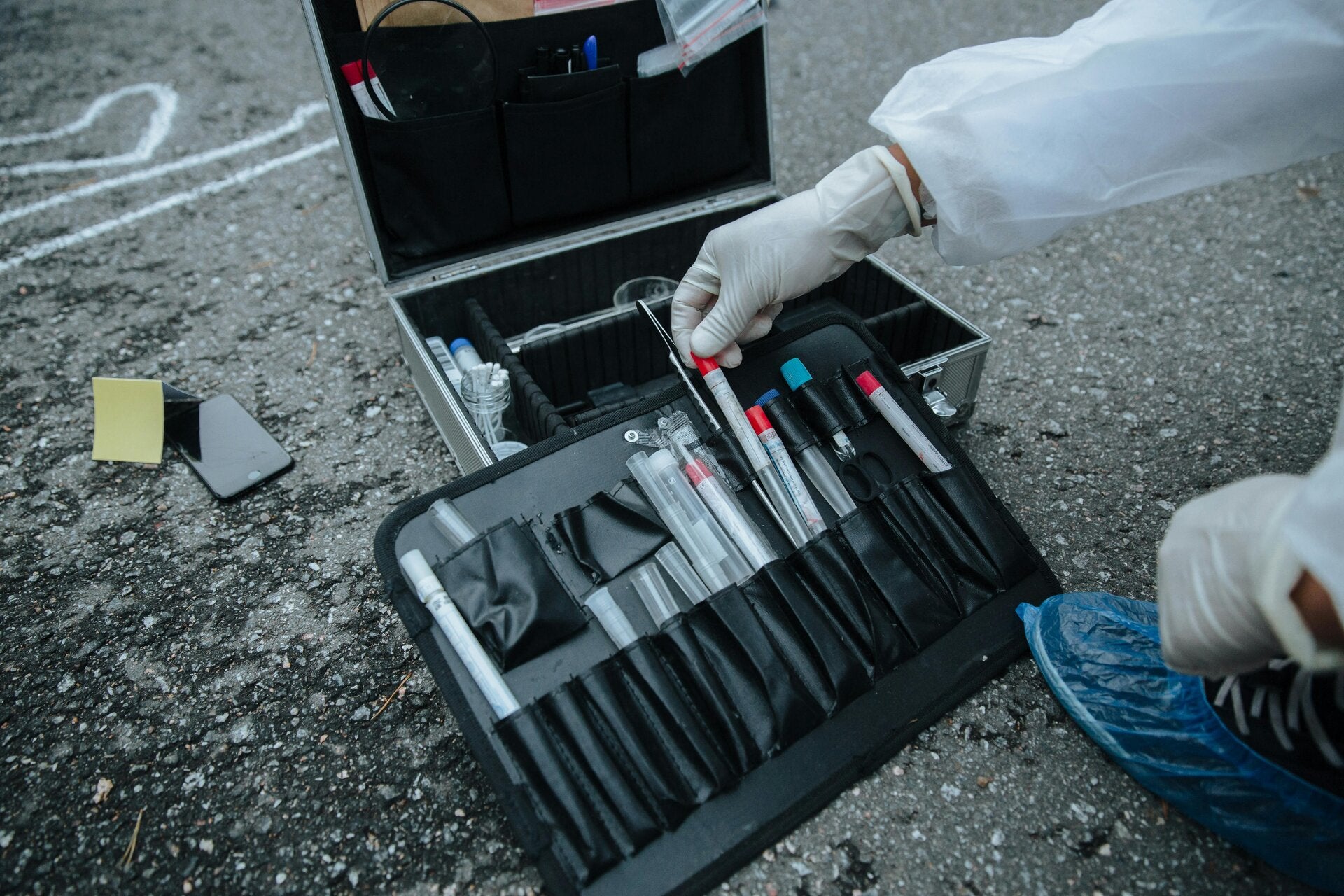
CSI stands for Crime Scene Investigation. Think of it like detectives in lab coats! These special scientists go to places where crimes might have happened. Their job is to find and collect all sorts of clues, like fingerprints, tiny fibres, or footprints. They make sure to gather everything carefully so it can be studied later to help figure out who did what and how.
CSI can also be extended to further jobs, including police or a biologist and you can sign up for any of these. CSI plays a Big part in the community as a type of insurince. Imagine a 2.5 thousand doller check was stolen but nobody cared? This is why CSI steps in. Teams of different types of specialists and analysts carry out a thorough investigation sometimes leading into a court case.
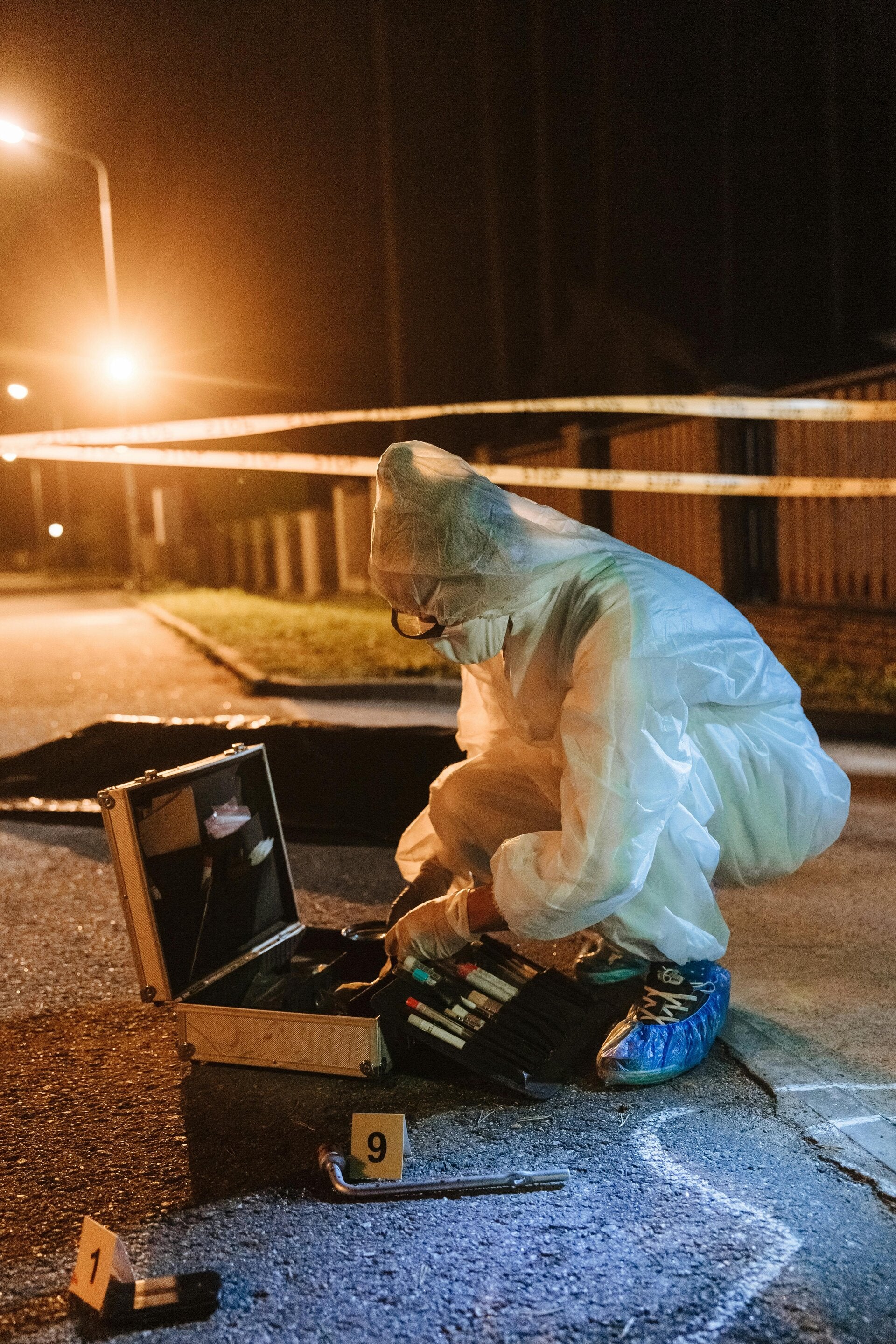
CSI (Crime Scene Investigation) is the study of trying to solve a crime and tracking people to find or recover items that were used without permission. CSI is split into many different ways to Investigate such as forensic anthropology ( the study of bones for CSI) to forensic psychology (the way people act) to solve crimes. This is how crimes like on the news get solved.
CSI technicians are typically equipped with a range of tools and techniques designed for evidence collection and preservation. They document the scene meticulously, taking photographs and sketches, and ensure that evidence is properly labelled and stored to maintain the chain of custody. Attention to detail is crucial, as even a small contamination can significantly affect a case's outcome.
CSI has many jobs and mostly owned by government or authentic police and have a only goal to complete the investigation to reveal who was behind it all. There are more than 21 broad types of jobs that if you want, you can switch to.
How are CSI and digital forensics used?
Both CSI and digital forensics are super important for solving mysteries and finding the truth. CSI helps by looking at physical clues from a scene, like a dropped item or a mark on the ground. Digital forensics helps by looking at clues from digital devices, like messages sent, websites visited, or files created. Together, they paint a full picture of what happened, helping police and courts understand complex situations.
What Is Digital Forensics?
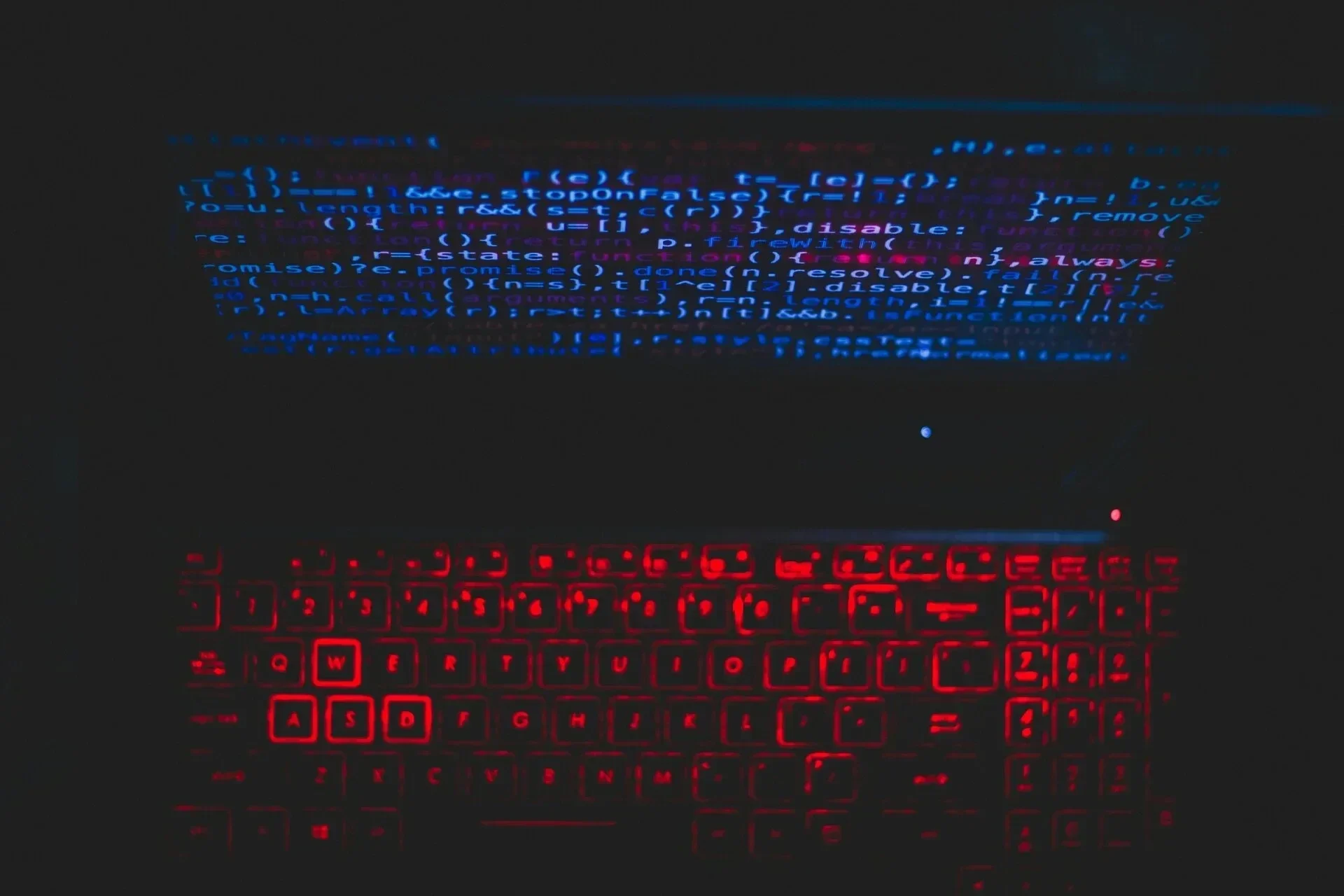
Digital forensics is like being a detective for computers and phones! It’s all about finding clues that are hidden in electronic devices. When someone uses a computer, a phone, or even a gaming console, they leave behind digital footprints. Digital forensic experts know how to find these hidden clues, even if someone tried to delete them. This helps to understand what happened online or with digital devices.
Digital forensics is a branch of CSI that focuses on the recovery, investigation, and analysis of data found on digital devices. Digital forensics is primarily used in criminal investigations to gather information related to cybercrimes, such as hacking, online fake, and identity theft. However, its applications extend beyond the realm of crime; organisations also utilise digital forensics to follow the regulations, conduct internal investigations, and respond to data breaches. In essence, digital forensics helps to uncover the truth buried within digital data, providing critical insights that can be used in both legal contexts and corporate environments.
